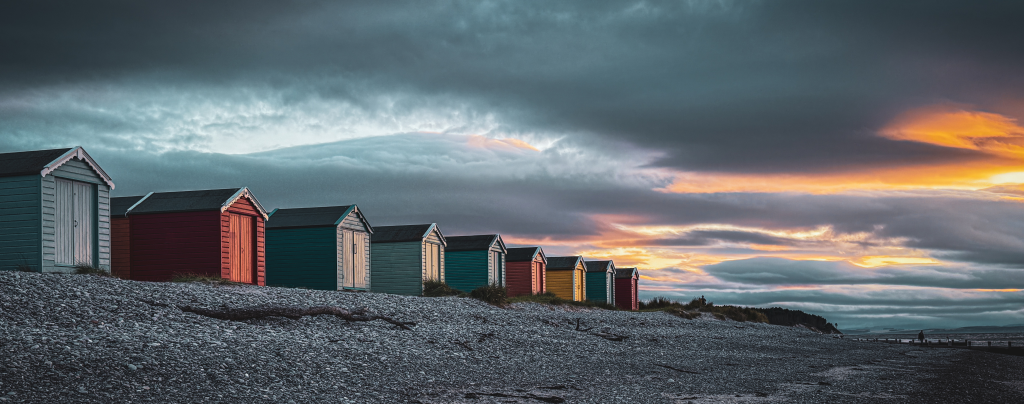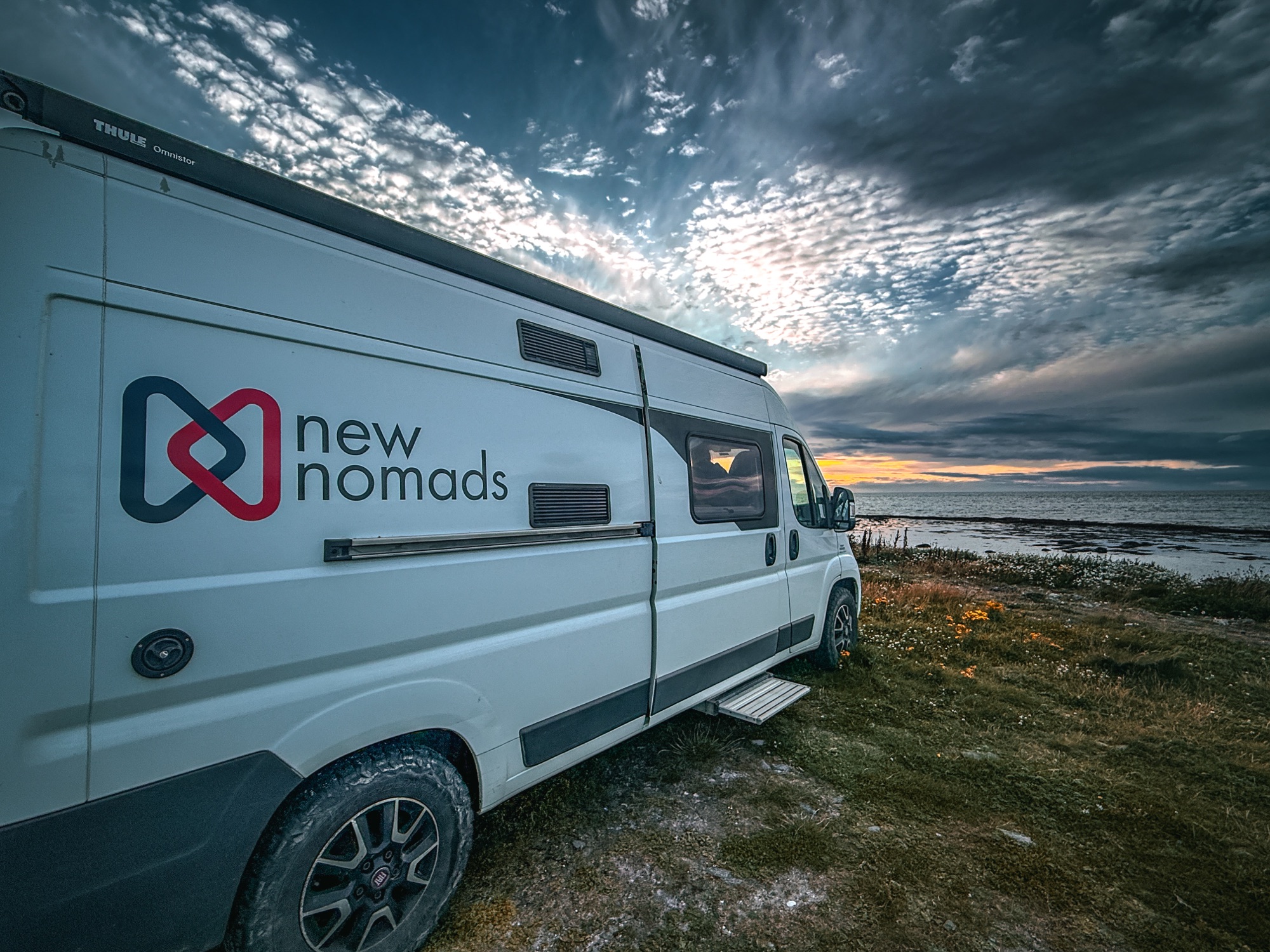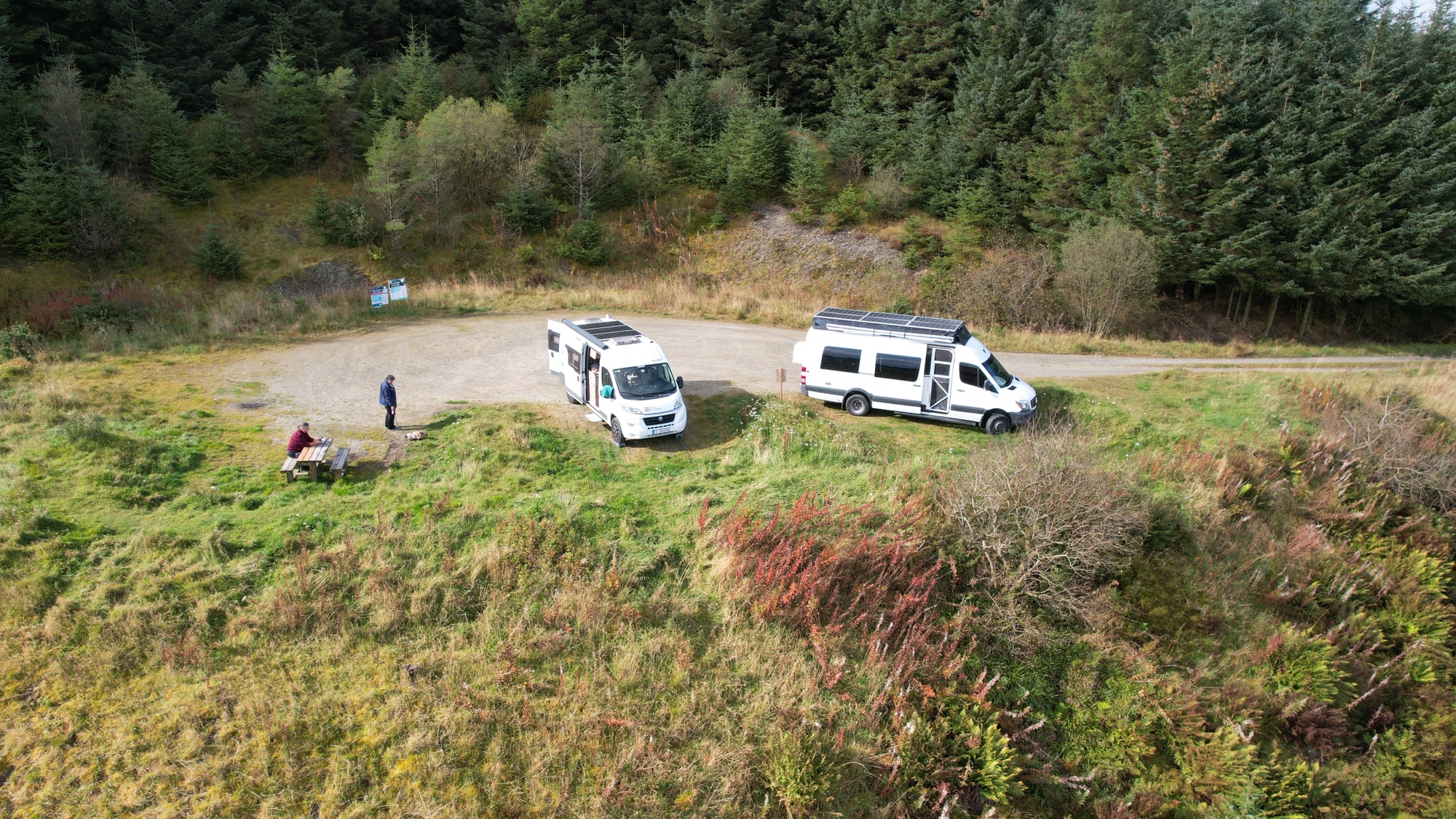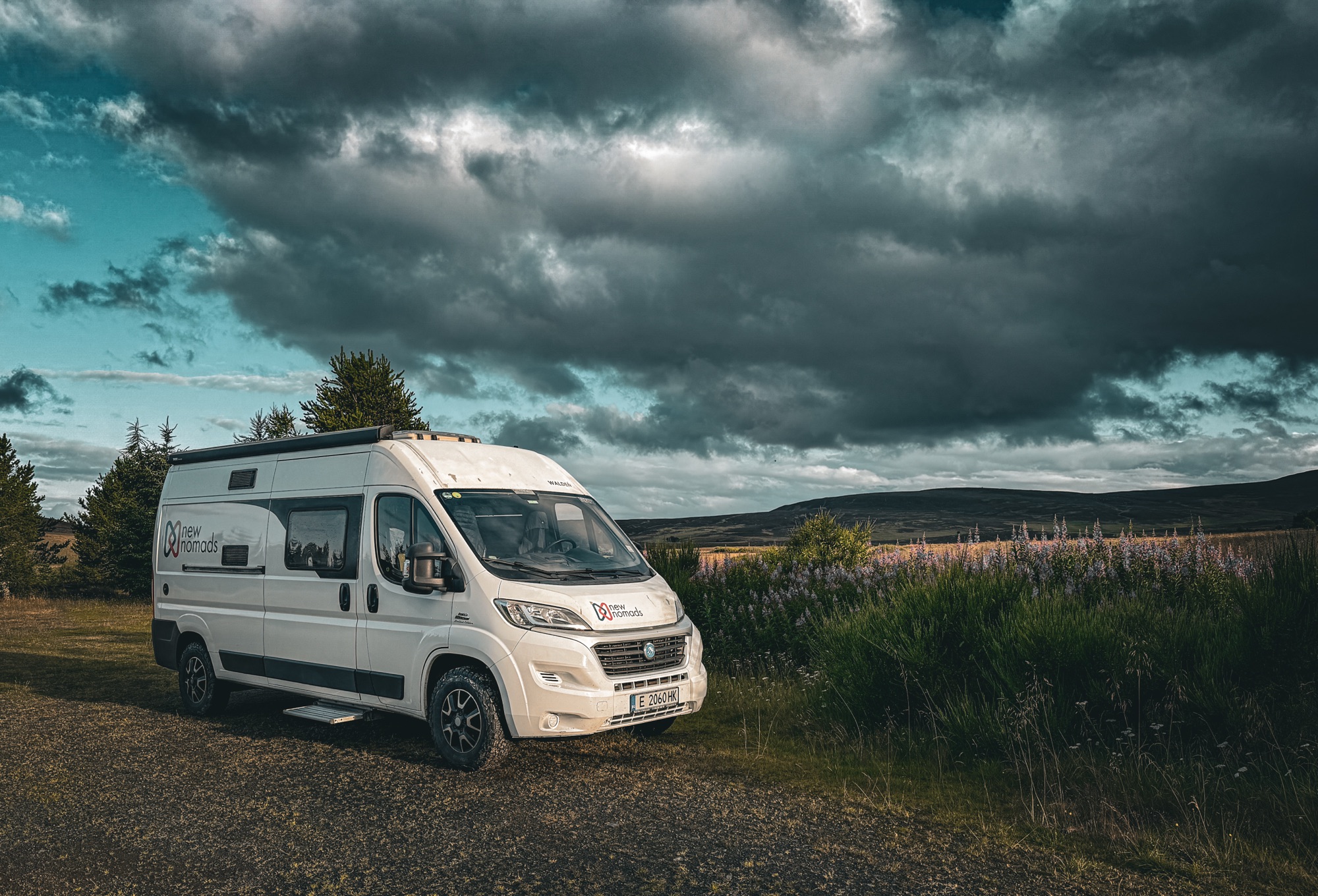

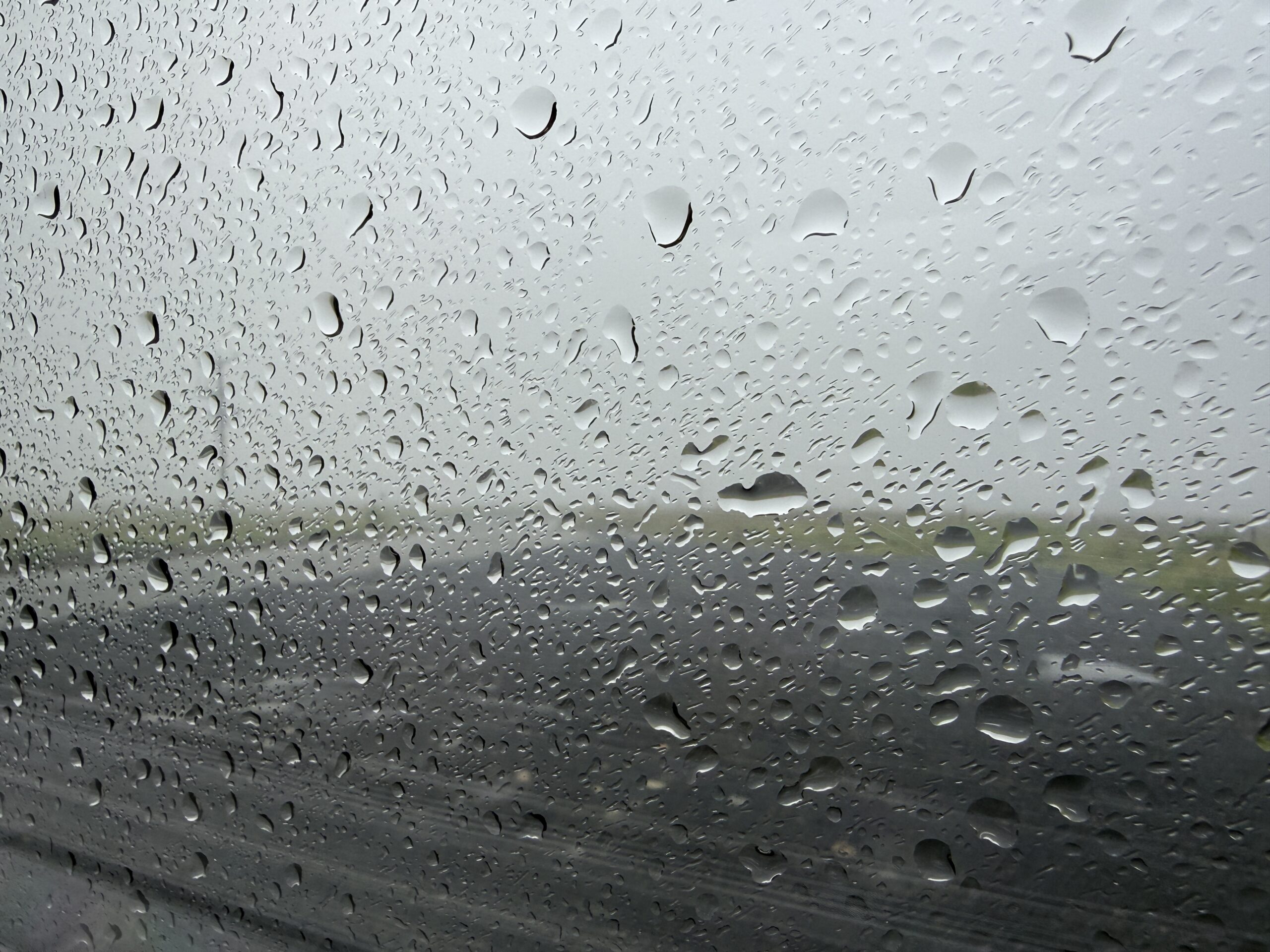
For a fortnight in Orkney it rained every single day. Not all day, and not always for long, the sky would clear to a scrubbed, astonishing blue for an hour, then think better of it, but at some point between waking and sleeping the rain always arrived. By the end of the first week we had stopped checking the forecast altogether and simply kept the waterproofs by the door. And somehow, none of it dampened a single day.
Weather, and the light between it
Orkney weather does not sit still. A squall comes in off the Atlantic, soaks you thoroughly, and is gone in ten minutes, chased by a light so clean and low that the whole treeless landscape seems freshly rinsed. We learned to carry on regardless, to stand at a stone circle in the rain and wait, because the sun was almost certainly on its way, and behind it, more often than not, a rainbow with one foot in the sea.

The people
Orcadians have a way about them that a fortnight of rain only made clearer. Cars slow and wave you into the passing place with a lift of one finger off the wheel. The woman in the shop in Kirkwall wanted to know where we were parked and whether we had been out to see the stones yet, and told us which day the swell would be up. Nobody was in a hurry, and nobody treated the weather as anything worth remarking on, it is simply the sky they live under, and they get on with the day beneath it.
The beasts in the fields
We are quietly besotted with Orkney livestock. Fat, contented cattle stand in the downpour looking mildly pleased with themselves, ankle-deep in some of the greenest grass in Scotland. On North Ronaldsay, the sheep live down on the foreshore behind an old drystone dyke that keeps them off the fields, and they have adapted to eat seaweed, a breed that grazes the tideline like nothing else we have seen. There is something steadying about animals so completely untroubled by the rain that soaks the rest of us.
A history older than the pyramids
What we had not been ready for was how deep the past runs here. At Skara Brae, a whole Neolithic village sits in the dunes with its stone beds and dressers still in place, lived in five thousand years ago, older than Stonehenge, older than the pyramids at Giza. A few miles inland stand the Ring of Brodgar and the Stones of Stenness, and the great chambered tomb of Maeshowe, aligned so the midwinter sun reaches down its passage. To stand among them in the rain, on ground people have worked and worshipped on for five millennia, rearranges something in you. The weather felt very small next to it.
The Churchill Barriers and Scapa Flow
The islands wrap around Scapa Flow, the great natural anchorage that was the Royal Navy’s northern base through both world wars. In the autumn of 1939 a German U-boat slipped through the eastern approaches and sank the battleship HMS Royal Oak at her moorings, with the loss of more than eight hundred men. Churchill ordered the eastern channels sealed for good, and the causeways now known as the Churchill Barriers were built through the war years, much of the labour done by Italian prisoners of war. In their own time, a handful of them turned two corrugated-iron huts into the Italian Chapel, a small, painted, aching piece of beauty raised in the middle of a war.
We drove the barriers on a grey afternoon with the sea shouldering in on both sides and the rusted ribs of the old blockships still breaking the surface. It is a strange, moving stretch of road, a wartime wound turned into the thing that now stitches the southern isles together.
The rain never stood a chance
Two weeks, wet every day, and we rolled onto the ferry sorry to be leaving. The rain, it turned out, was only ever the weather. Everything that made Orkney worth the crossing, the people, the beasts, the stones, the barriers, was entirely unbothered by it. By the end, so were we.
More from Orkney: long, empty beach walks and the quiet luxury of living this way, and meeting the locals across the road.
Orkney is only one chapter of a long Scottish summer. The rest are gathered together in our Scotland journal.